Why MDF Kitchen Cabinets Warp in Toronto & The Custom Wood Fix
BDH Carpentry • August 5, 2026
Many Toronto homeowners notice their flat-pack kitchen cabinets starting to sag or peel after just a few years of use. This premature wear is incredibly common, and it often points back to the materials used during recent kitchen renovations. At BDH Carpentry, we frequently see how local weather patterns quickly expose the weaknesses of mass-produced particle board. The good news is that understanding why these materials fail makes it easy to choose a permanent solid alternative.
The cycle of swelling and sagging happens because standard MDF cannot handle the natural moisture variations inside a busy home. Once water penetrates the outer veneer, the core material acts like a sponge and loses its structural integrity. Replacing damaged boxes with more of the same material only resets the countdown to the next failure. By investing in solid custom woodwork, you protect your home from humidity while securing a layout that actually fits your daily routines.
In This Article:
- The Core Issue: How Toronto Humidity Attacks Flat-Pack MDF
- Why DIY Kitchen Renovations Often Accelerate the Damage
- Can you fix water damaged MDF kitchen cabinets?
- The Custom Wood Solution for Permanent Stability
- Moving Past Temporary Replacements
The Core Issue: How Toronto Humidity Attacks Flat-Pack MDF
Mass-produced cabinets look great in a showroom, but they are highly vulnerable to the moisture swings common in Southern Ontario. During the sticky late-summer months, ambient humidity off Lake Ontario creeps into homes and finds the unsealed edges of standard MDF boxes. When you add the daily steam from dishwashers and boiling pots, that moisture easily penetrates the thin melamine or veneer coating. Once water reaches the pressed wood core, the material expands rapidly and never returns to its original shape.
The structural failure happens because MDF is essentially sawdust held together with glue. As the core swells, it compromises the strength of the hinges and the drawer slides mounted directly into the cabinet walls. Over time, doors begin to sit crooked and heavy shelves start to bow under the weight of standard dishware.
→ Moisture damage in MDF is not a cosmetic issue but a structural failure that weakens the entire cabinet box.
Why DIY Kitchen Renovations Often Accelerate the Damage
When homeowners spot a peeling edge or a swollen cabinet base, their first instinct is usually to grab wood glue or caulk to seal the gap. Unfortunately, sealing over a swollen section traps existing moisture inside the core of the material. This trapped dampness encourages the breakdown of the original factory adhesives and can even lead to hidden mold growth behind your plates and glasses. Attempting to drive new screws into swollen MDF is equally frustrating, as the expanded material loses all its density and cannot grip the metal threads.
Can you fix water damaged MDF kitchen cabinets?
The harsh reality is that once MDF absorbs water and expands, the structural damage is permanent and cannot be reversed. Sanding down the swollen edges only removes the protective finish and exposes more of the vulnerable core to the air. Painting over the damage might hide the stain temporarily, but it does nothing to restore the strength needed to hold heavy doors and countertops. You can replace the specific damaged door or box, but the underlying vulnerability remains for the rest of your kitchen.
→ DIY repairs on water-damaged MDF only mask the underlying structural weakness and often trap harmful moisture inside the cabinet.
The Custom Wood Solution for Permanent Stability
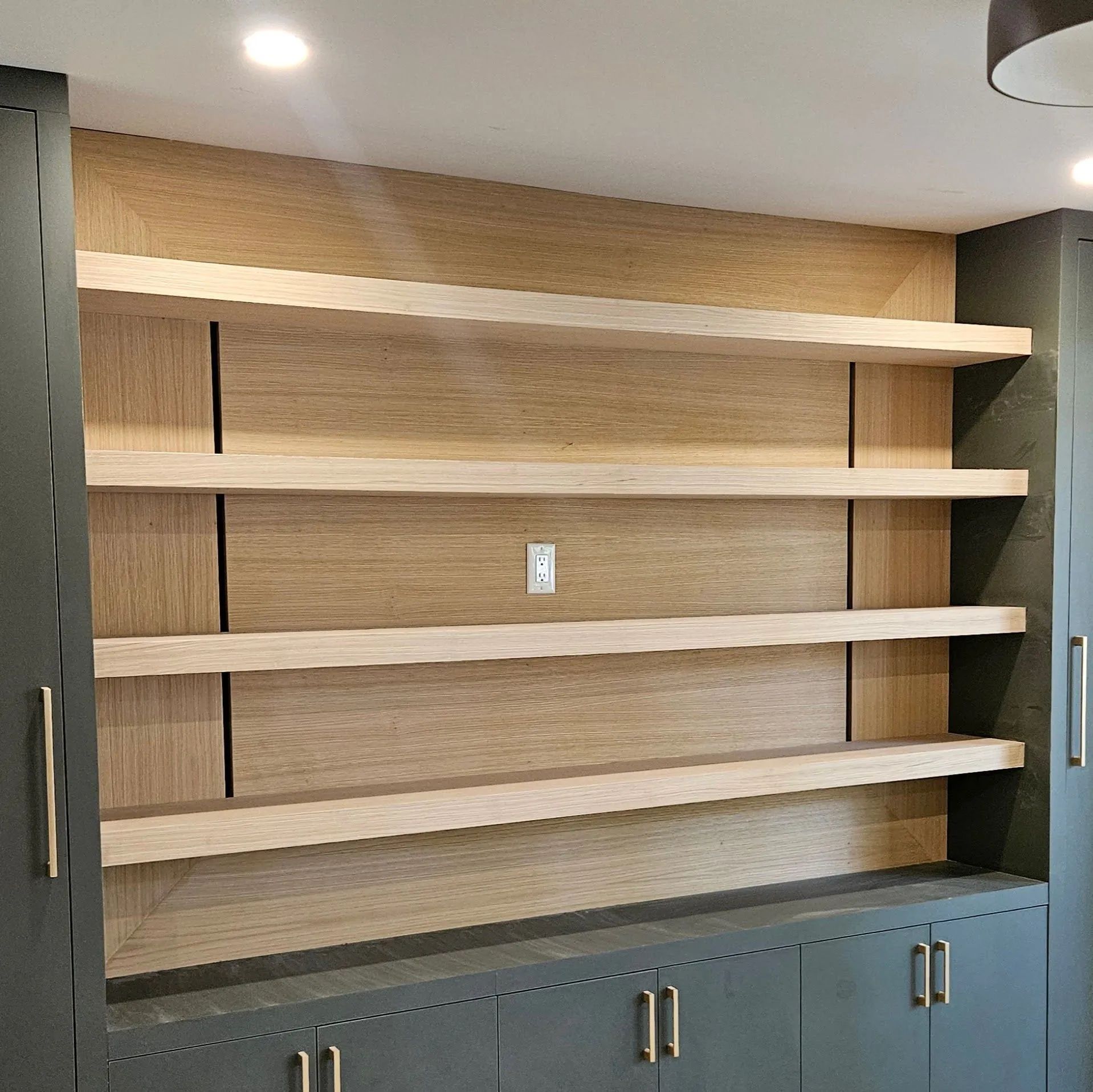
Switching to custom carpentry fundamentally changes how your kitchen handles daily wear and tear. Solid wood and high-quality plywood are significantly more resilient to moisture and temperature fluctuations than pressed particle board. By using high-grade plywood for the cabinet boxes and solid hardwoods like maple or oak for the faces and doors, the structural integrity of your storage is guaranteed. These materials hold screws tightly, ensuring that doors stay aligned and drawer tracks remain perfectly level decade after decade.
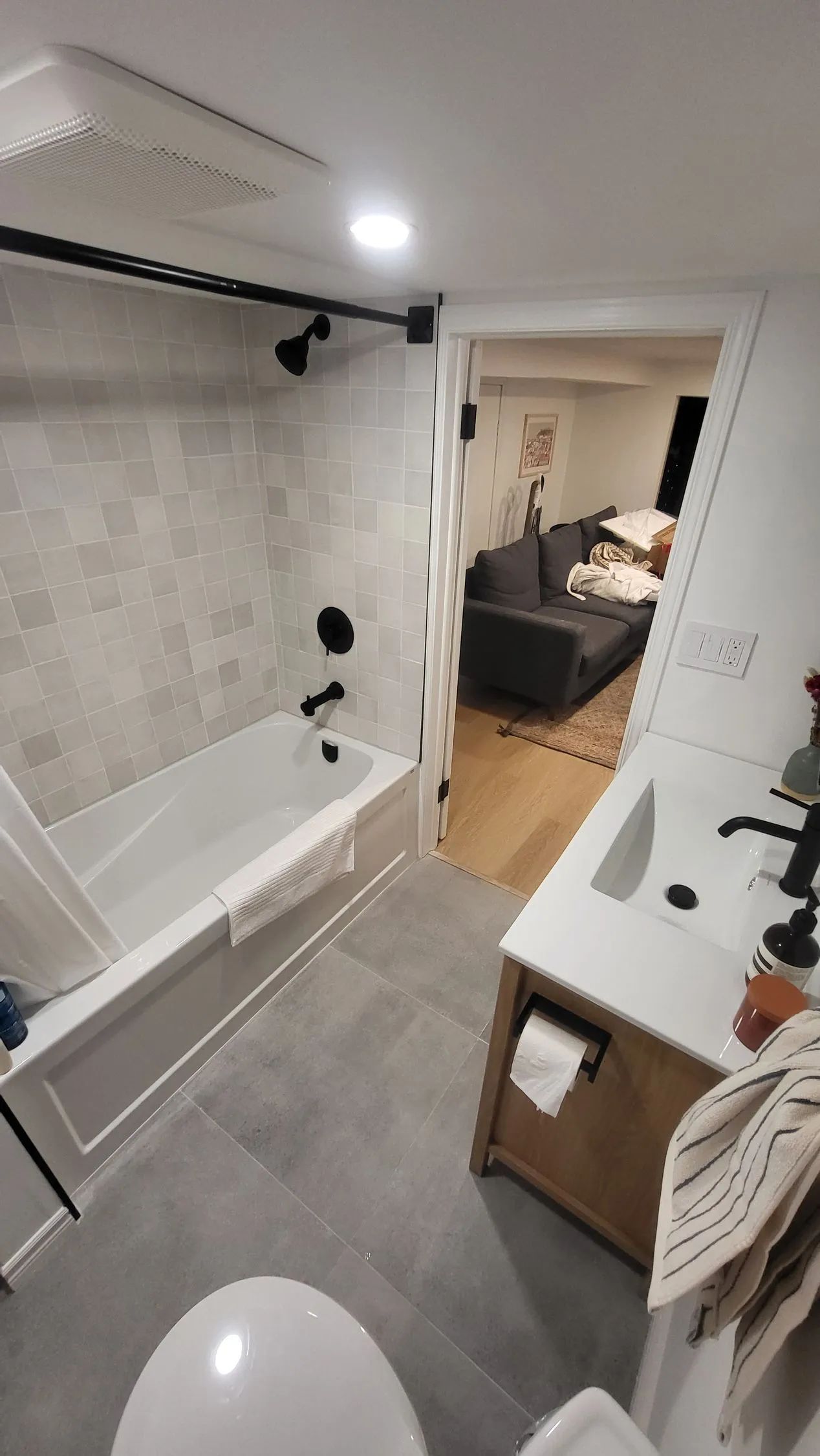
Beyond the core materials, a custom build allows for superior finishing techniques that protect the wood from the start. Professional grade varnishes and precise trim carpentry seal the edges, leaving no raw wood exposed to the ambient humidity of a busy kitchen. If you are also planning bathroom renovations, applying this same solid wood approach to your vanities will prevent similar water damage near showers and sinks.
→ High-quality plywood and solid hardwood construction provide lasting resistance to humidity and maintain their structural grip on all hardware.
Moving Past Temporary Replacements
When your cabinets maintain their shape and strength, you stop worrying about steam from the dishwasher or accidental spills on the counter. Upgrading to solid custom cabinetry means you are investing in the long-term functionality and value of your property. If you are tired of looking at peeling edges and crooked doors, it is time to discuss a permanent structural upgrade. Reach out to the team today to explore bespoke woodworking solutions built specifically for your home.
Share This Blog